News and Updates

Latest announcements from PickTails
Think You Know Guinea Pigs? These Hidden Facts Will Surprise You!
11 days ago
Think You Know Guinea Pigs? These Hidden Facts Will Surprise You!
Guinea pigs may look like simple, cuddly pets—but behind those tiny noses and squeaks lies a world full of surprising secrets. Let’s explore some little-known facts about these adorable creatures that most people have no idea about! 1. They “Talk” More Than You Think Guinea pigs are incredibly vocal animals. They use a variety of sounds like: Wheeking (when excited or hungry) Purring (when relaxed) Chutting (soft chatting sounds with other guinea pigs) Each sound has a specific meaning—almost like their own language! 2. They Are Born Fully Developed Unlike many small animals, baby guinea pigs (called pups) are born: With open eyes Covered in fur Able to walk within hours They’re basically mini adults from day one! 3. They Can’t Produce Vitamin C Guinea pigs share a rare trait with humans—they cannot produce Vitamin C on their own. That means they must get it from: Fresh vegetables (like bell peppers) Fruits (in moderation) Special supplements Without it, they can develop serious health issues. 4. They Do “Popcorning” When Happy Ever seen a guinea pig suddenly jump and twist mid-air? That’s called popcorning, and it means: They’re extremely happy and excited! 5. Their Teeth Never Stop Growing Guinea pigs’ teeth grow continuously throughout their lives. To keep them healthy, they need: Constant chewing (hay is essential!) Proper diet to avoid overgrowth 6. They Have Excellent Memory Guinea pigs can: Recognize their owners Remember feeding times Learn simple routines Don’t underestimate their tiny brains—they’re smarter than they look! 7. They Are Not From Guinea (or Pigs!) Despite the name: They are not pigs They do not come from Guinea They actually originate from the Andes Mountains in South America. 8. They Hate Being Alone Guinea pigs are highly social animals. In fact: They thrive in pairs or groups Some countries even consider it cruel to keep one alone They need companionship to stay happy 9. They Rarely Need Baths Unlike other pets: Guinea pigs are naturally clean They groom themselves regularly Too many baths can actually harm their skin! Final Thought Guinea pigs are more than just cute pets—they’re intelligent, emotional, and full of personality. Once you understand these hidden facts, you’ll see them in a whole new light!
The Million Dollar Guardian
14 days ago
The Million Dollar Guardian
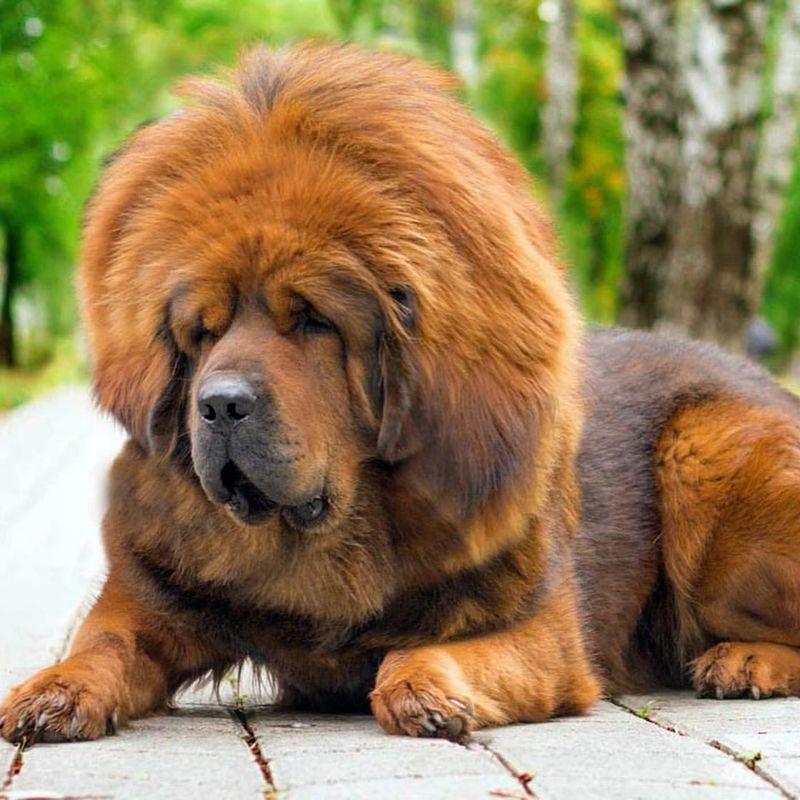
When it comes to luxury pets, no breed stands above the majestic Tibetan Mastiff. Known for its lion-like appearance and powerful guarding instincts, this rare breed has earned the title of the most expensive dog in the world, with some individuals selling for astonishing prices. Average price: $1,000 – $6,000 for a puppy from breeders Premium lineage: Can reach hundreds of thousands of dollars Record price: Around $1.9 million for a single dog in China The high price comes from rarity, strong bloodlines, and its status as a symbol of wealth. Tibetan Mastiffs are famous for their thick double coat and majestic colors: Red (rarest and most valuable) Golden Black Black & Tan Brown shades Their dense fur around the neck gives them a lion-like mane, making them truly unique. Originated in the Himalayan region (Tibet, Nepal, India) Originally breed by nomadic tribes to guard livestock from predators like wolves and leopards Known as ancient guardian dogs of monasteries and villages Owning a Tibetan Mastiff requires commitment: Space: Needs a large area; not suitable for small apartments Training: Strong-willed, requires experienced owners Grooming: Weekly brushing due to thick fur Exercise: Moderate activity; avoid over-exercising puppies Security instinct: Naturally protective and territorial A proper diet is essential for this giant breed: High-quality protein (chicken, beef, lamb) Balanced dry dog food for large breeds Vegetables for nutrients Plenty of fresh water Controlled portions to avoid obesity Due to their size, feeding costs can be quite high compared to normal dogs. The Tibetan Mastiff is not just a pet—it’s a symbol of power, luxury, and history. While its price may reach millions, owning one requires more than money—it demands time, space, and dedication. If you’re looking for a loyal, protective, and majestic companion, this breed truly stands in a league of its own.
The Most Expensive Cat Breed in the World
20 days ago
The Most Expensive Cat Breed in the World
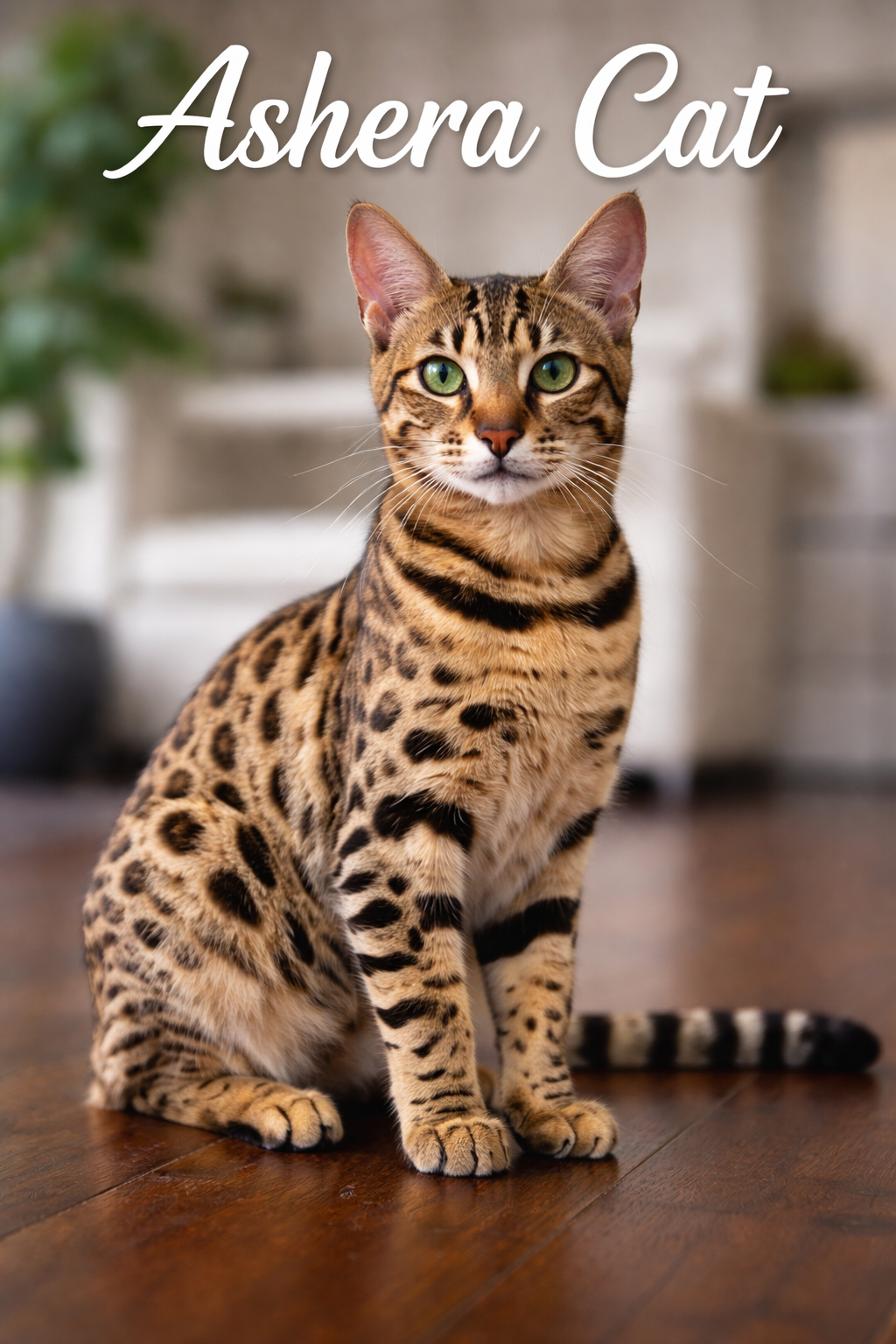
When it comes to luxury pets, one feline stands far above the rest — the Ashera cat. Known for its exotic appearance, rarity, and sky-high price, this breed is often called the “Rolls-Royce of cats.” Let’s explore everything you need to know about this fascinating (and controversial) breed. The Ashera Cat – The Most Expensive Breed Region / Origin The Ashera was first marketed in the United States by a company called Lifestyle Pets. However, genetically, it is believed to originate from hybrid breeding involving African and Asian wild cats. Price Range *$20,000 – $125,000 USD *In Sri Lankan Rupees: roughly LKR 6 million – 40 million+ This extreme price depends on rarity, coat pattern, and size. Breed Origins (Cross Breeding) The Ashera is said to be a hybrid of: *African Serval (wild cat) *Asian Leopard Cat *Domestic house cat ! Important: Many experts believe the Ashera is actually a high-end Savannah cat (another hybrid breed), rebranded and sold at a premium How to Maintain an Ashera Cat * Diet & Nutrition *High-protein diet (similar to wild cats) *Premium cat food or raw diet (consult a vet) *Fresh water always available Grooming Low-maintenance coat (short hair) Weekly brushing is enough Occasional bathing if needed Exercise & Space *Needs a lot of space (they are large and active) *Loves climbing, jumping, and exploring *Ideal for homes with outdoor enclosures or large interiors Behavior & Temperament *Intelligent and trainable (can even walk on a leash!) *Loyal like a dog *Social but needs early training Health Care *Regular vet checkups *Vaccinations are essential *Hybrid cats may need specialized care Other Expensive Cat Breeds (Worth Knowing) Savannah $10,000 – $50,000 Hybrid (Serval + domestic) Bengal $3,000 – $25,000 Leopard cat hybrid Sphynx $1,500 – $10,000 Canada Persian $1,000 – $5,000 Iran Important Things to Consider Some countries ban hybrid cats like Ashera/Savannah Very high maintenance costs Not suitable for small apartments Legal permits may be required Final Thoughts The Ashera cat is more than just a pet — it’s a status symbol. With its wild looks, massive size, and rare genetics, it’s no surprise it holds the title of the most expensive cat breed in the world. However, owning one requires serious commitment, space, and budget. For most people, breeds like Bengal or Persian offer beauty and companionship at a more practical cost.
Do Cats Really Absorb Bad Vibe ?
24 days ago
Do Cats Really Absorb Bad Vibe ?
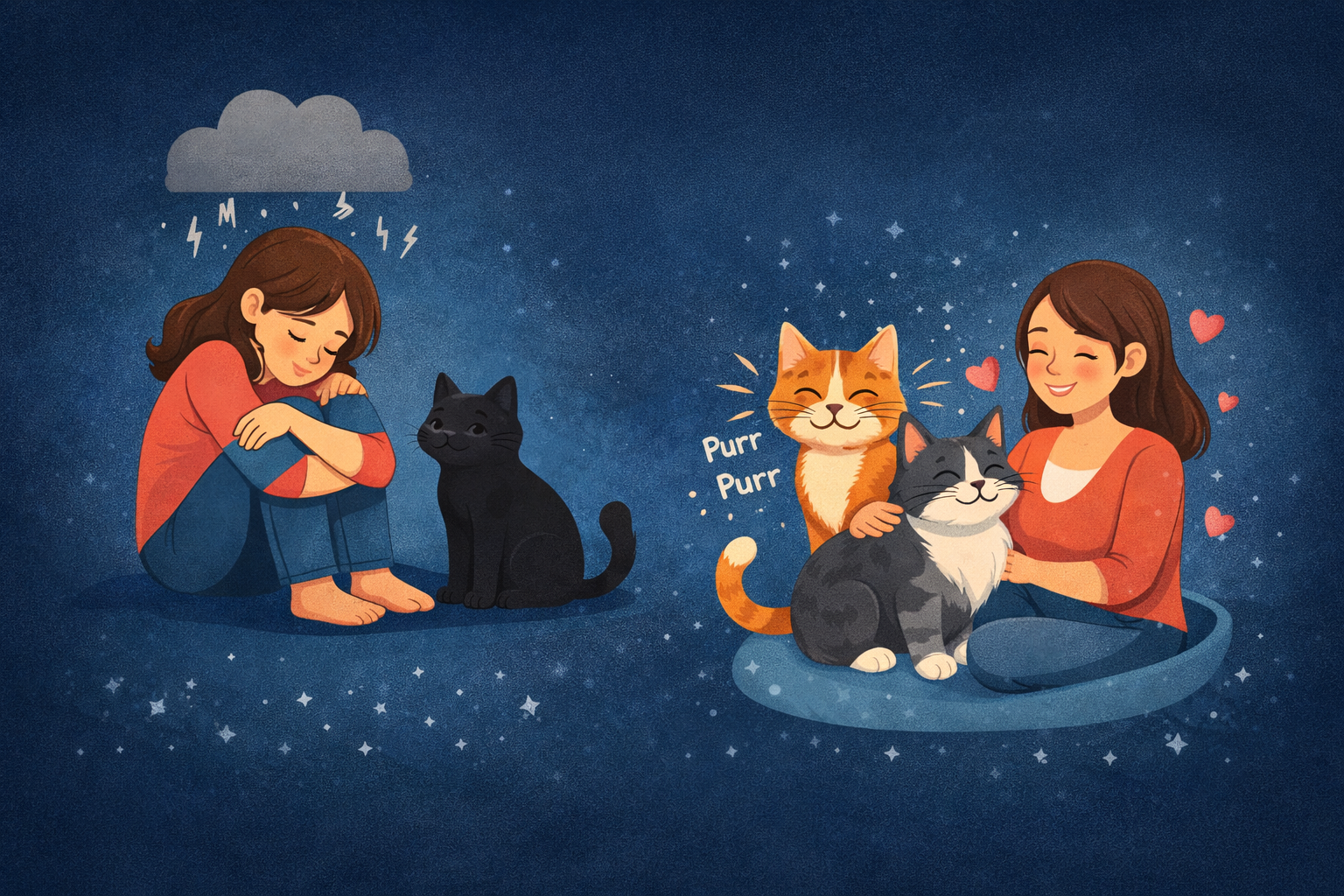
If you’ve ever felt calmer just by sitting next to your cat, you’re not alone. Many people believe cats have a mysterious ability to sense and even absorb negative energy from humans. But is this actually true—or just a comforting myth? Let’s break it down in a simple, clear way. Where This Idea Comes From Across different cultures, cats are often seen as spiritual protectors. Some believe they can: *Detect negative energy *Cleanse a home’s atmosphere *Absorb stress or “bad vibes” from people You might notice your cat sitting close when you’re upset or anxious—and it can feel like they’re helping take that negativity away. What Science Actually Says There’s no scientific proof that cats literally absorb bad energy. But what is real is their incredible sensitivity to human behavior and emotions. Cats can: *Read your body language *Notice tone of voice changes *Pick up on your mood shifts So when you're feeling stressed or sad, your cat may respond by: *Sitting near you *Purring *Rubbing against you They’re not absorbing energy—but they are reacting to you in a meaningful way. The Real Magic: Emotional Connection Cats have a calming effect, and here’s why: Purring Therapy A cat’s purr vibrates at frequencies (around 25–150 Hz) that are linked to: Stress reduction Relaxation Even healing effects in some studies Comfort Presence Just petting a cat can: *Lower your heart rate *Reduce anxiety *Improve your mood So it may feel like your cat is removing bad vibes—but in reality, they’re helping you process and release stress yourself. So… Is It Possible? Not literally. Cats don’t absorb “bad energy” like a sponge. But emotionally? Yes. They help you feel better through companionship and calming behavior. Final Thought Cats might not be mystical energy cleaners, but they are amazing emotional companions. The next time your cat curls up next to you during a tough moment, remember: They’re not taking your bad vibes away—they’re helping you let them go.
The Battle of Hearing
25 days ago
The Battle of Hearing
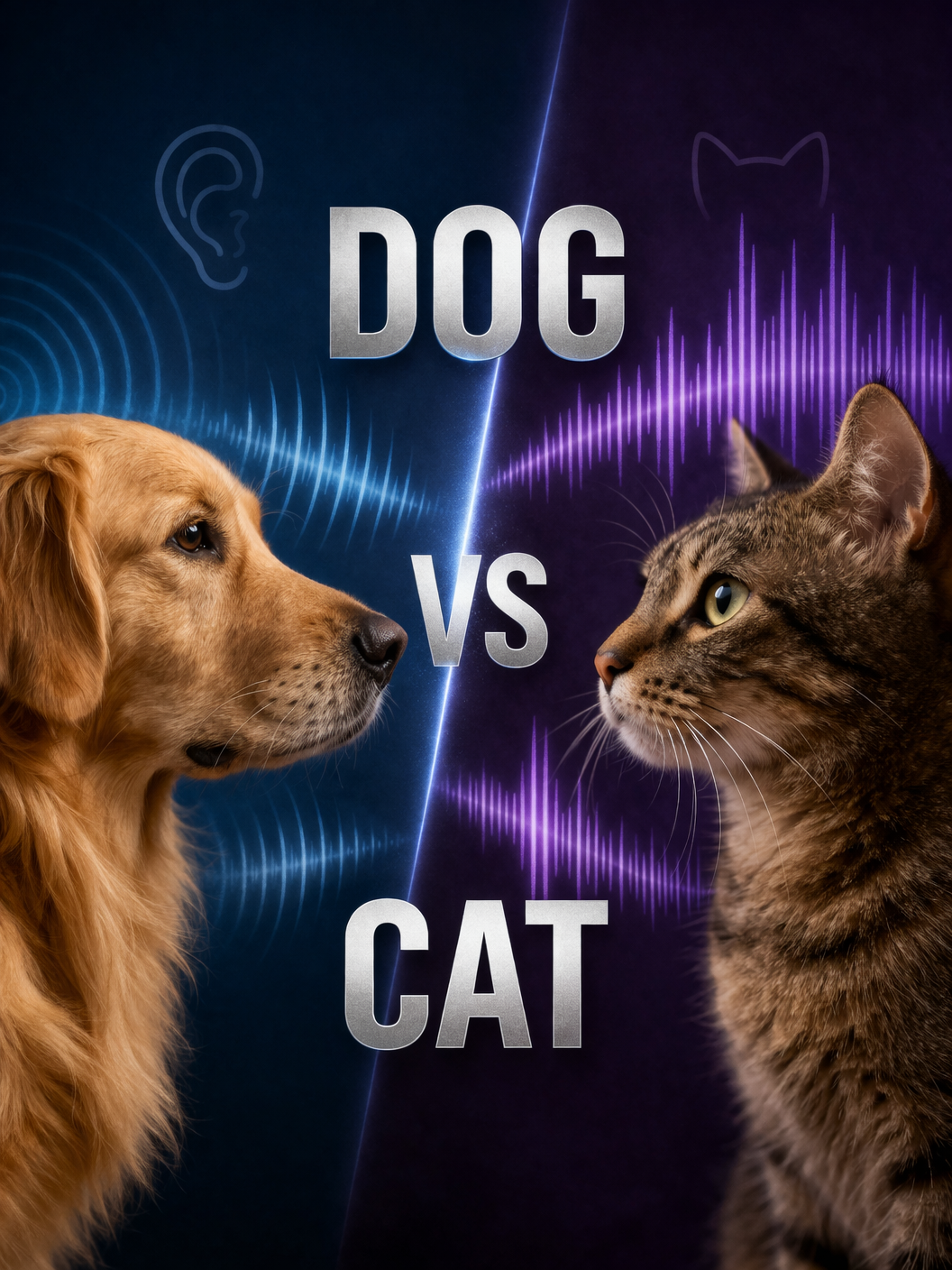
Who Has the Better Hearing – Dogs or Cats? The Answer Might Surprise You! When it comes to sharp senses, both dogs and cats are impressive—but their hearing abilities are on another level compared to humans. So, who wins the hearing battle? Let’s break it down in a simple and fun way. How Good Is a Dog’s Hearing? Dog are famous for their alert ears—and for good reason! Dogs can hear sounds from 4 times farther away than humans They can detect frequencies up to 45,000 Hz Their ears can move independently, helping them pinpoint where a sound is coming from That’s why your dog reacts instantly to footsteps or the sound of a food packet opening—even from another room! How Sharp Is a Cat’s Hearing? Cat take hearing to a whole new level. Cats can hear frequencies up to 64,000 Hz (much higher than dogs!) They are experts at detecting tiny, high-pitched sounds like squeaks from rodents Their ears have over 30 muscles, allowing them to rotate up to 180° This makes cats natural-born hunters, able to track prey even in complete darkness. Dog vs Cat: The Final Verdict Distance hearing: Dogs win High-frequency detection: Cats dominate Precision tracking: Cats are superior Overall Winner: Cats (slightly!) While dogs are great at hearing sounds from far away, cats have the edge when it comes to detecting high-pitched and subtle noises. Fun Fact! Cats can hear ultrasonic sounds that are completely inaudible to dogs and humans. That’s like having a built-in superpower! Final Thoughts Both pets have incredible hearing, but their abilities are shaped by their lifestyles. Dogs evolved to guard and alert, while cats evolved to hunt silently and precisely. So next time your pet reacts to a sound you can’t hear—just remember, their world is full of hidden noises you’ll never notice!
The Secret Behind The Vison
28 days ago
The Secret Behind The Vison
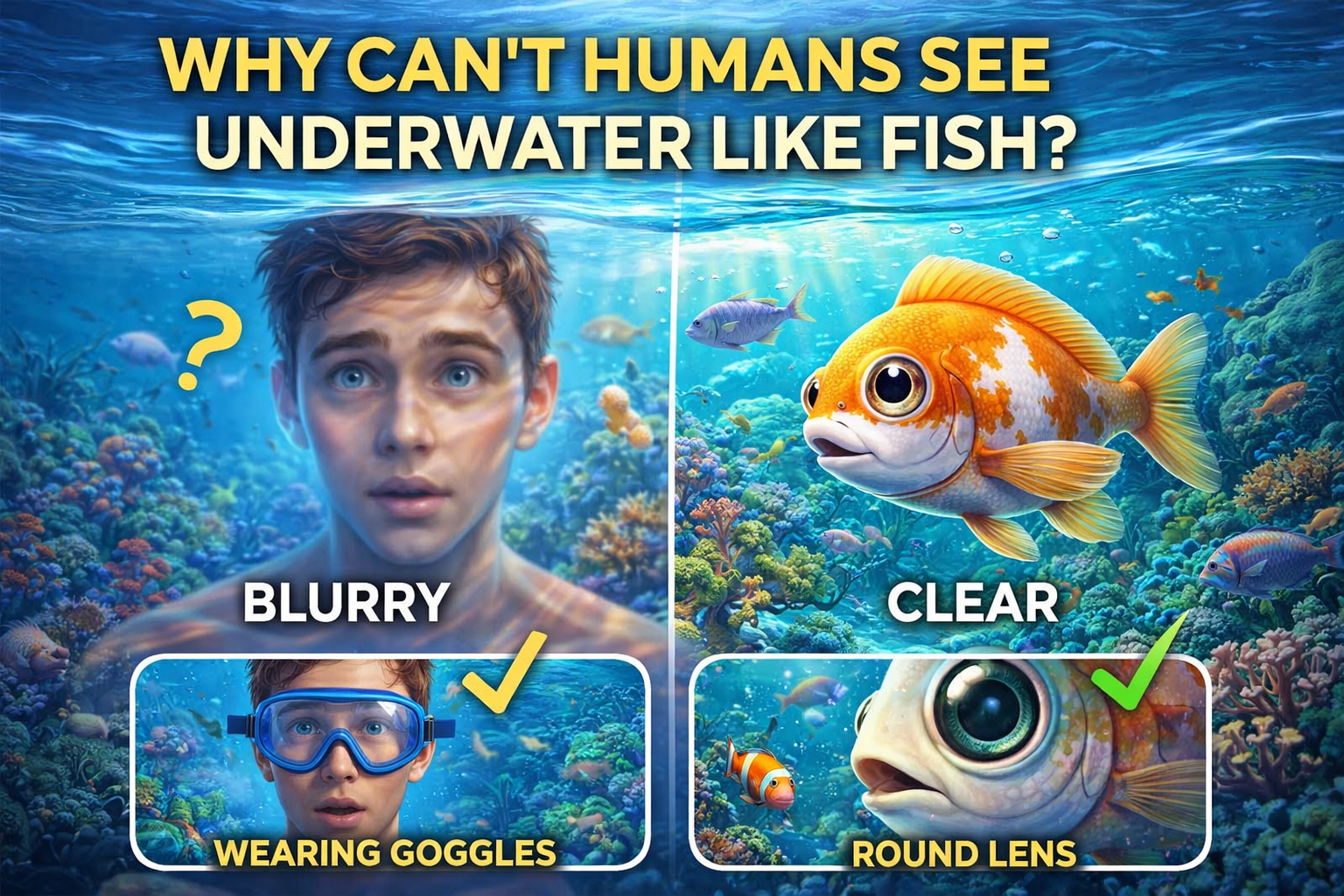
Why Humans Struggle to See Underwater (While Fish See Clearly!) Have you ever opened your eyes underwater and noticed everything looks blurry and confusing? Meanwhile, fish swim around like they’re in a crystal-clear world. So what’s the secret? Why can’t humans see underwater like fish do? Let’s dive in The Real Problem: How Our Eyes Work Human eyes are perfectly designed for air, not water. Normally, when light enters our eyes, it bends (refracts) as it passes through the cornea—the clear front surface of the eye. This bending helps focus images sharply onto the retina. But here’s the catch… Water and the cornea have almost the same density. So when you're underwater, light doesn’t bend properly. Result: Everything looks blurry Why Fish See Perfectly Underwater Fish have evolved specifically for underwater life. Their eyes are built to work in water They have a rounder lens that bends light more effectively Their vision stays sharp even in deep or murky environments In short: Fish eyes are made for water, ours are not. Why Goggles Fix Everything Ever noticed how wearing swimming goggles suddenly makes everything clear? That’s because goggles: Create an air layer in front of your eyes Allow light to bend properly again Restore your natural focusing ability It’s like bringing a tiny piece of land vision underwater! Fun Fact You Didn’t Know Humans actually can train slightly to see better underwater (like some sea nomad tribes), but we’ll never match fish vision without help. Final Thought The next time you struggle to see underwater, remember: It’s not your fault—your eyes are just built for a different world. Fish belong to the ocean. We belong to the surface. But with a simple pair of goggles… we can visit their world, even if just for a moment
Why Are Parrots So Good at Imitating Human Voices?
30 days ago
Why Are Parrots So Good at Imitating Human Voices?
Have you ever heard a parrot say “Hello!” or even call someone’s name? Many people are surprised the first time they hear a bird talk like a human. But parrots are not actually “talking” like we do — they are masters of imitation. So how do parrots copy human voices so well? Let’s explore the fascinating reason behind this incredible ability. 1. Parrots Are Extremely Intelligent Parrots are among the smartest birds in the world. Their brains are highly developed, especially in areas related to learning and sound recognition. Because of this, parrots can remember and repeat many sounds they hear regularly. Some parrots can even learn dozens or hundreds of words over time. 2. They Are Natural Sound Mimics In the wild, parrots live in large flocks and communicate with each other using many different sounds. To stay connected with their group, they learn to copy the calls of other parrots. When parrots live with humans, they start to see people as part of their “flock.” So naturally, they begin copying human sounds and voices instead. 3. Their Voice Box Is Special Humans use vocal cords to speak, but parrots use a special organ called the syrinx. This organ allows them to control airflow and create a wide range of sounds. Because of the syrinx, parrots can mimic: *Human voices *Laughter *Phone ringtones *Doorbells *Even other animals Some parrots can copy these sounds almost perfectly. 4. They Learn by Listening and Repetition Parrots learn words the same way children do — by hearing them again and again. If an owner repeats certain words often, the parrot may start repeating them too. For example, if you say “Good morning” every day, your parrot might soon start greeting you the same way! 5. They Talk to Get Attention Sometimes parrots repeat words because they notice it gets a reaction from people. When humans laugh or respond, the bird learns that making those sounds brings attention and interaction. So the parrot keeps doing it! Final Thoughts Parrots don’t truly understand language like humans do, but their ability to imitate voices and sounds is truly remarkable. Their intelligence, strong memory, and unique vocal system make them some of the best sound imitators in the animal world. That’s why parrots remain one of the most fascinating and entertaining pets for animal lovers everywhere.
The Truth Behind The Famous Rivalry
31 days ago
The Truth Behind The Famous Rivalry
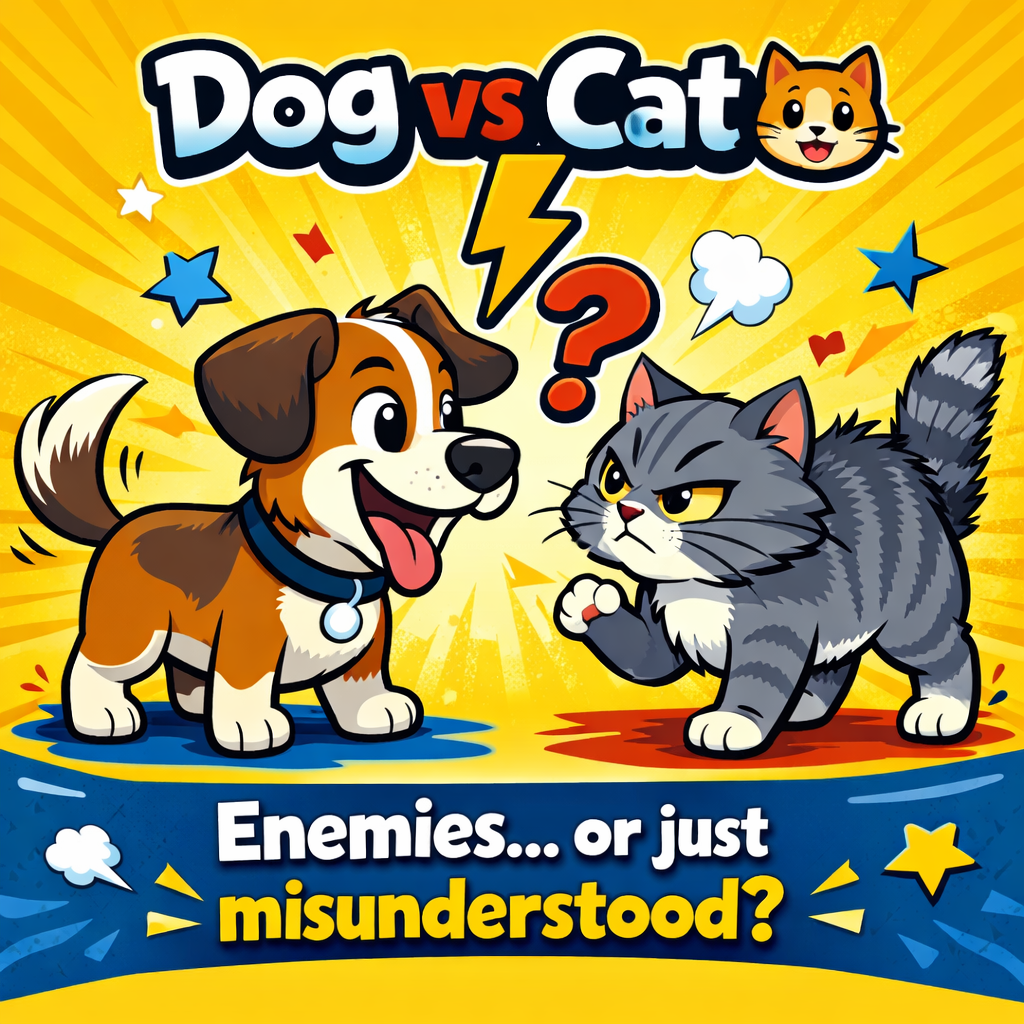
Dogs and cats are two of the most popular pets in the world. But if you’ve ever seen them together, you may notice something interesting — they often seem angry or annoyed with each other. Many people wonder: why do dogs and cats fight so much? Is it real hatred, or just a misunderstanding? Let’s explore the simple truth behind this famous pet rivalry. 1. They Speak Different “Languages” One of the biggest reasons dogs and cats clash is communication. They use body language very differently. *When a dog wags its tail, it usually means happiness and excitement. *When a cat wags its tail, it often means irritation or anger. So imagine a friendly dog running toward a cat with a wagging tail. The dog thinks it’s saying “Let’s play!” — but the cat may read it as “Danger!”. This misunderstanding can quickly lead to hissing or barking. 2 .Dogs Love to Chase Dogs naturally have a chasing instinct. If something runs, a dog often wants to chase it —just like in a game. Cats, on the other hand, prefer calm spaces and quick escapes. When a dog runs toward them, their first instinct is to run away or defend themselves. This chase-and-run behavior can easily turn into conflict. 3. Different Personalities Dogs are usually social and playful animals. They enjoy meeting new friends and interacting with others. Cats tend to be more independent and territorial. They like their own space and can get stressed when another animal enters their territory. Because of these personality differences, cats may see dogs as loud, annoying intruders. 4. Early Experiences Matter Animals that grow up together often become best friends. A puppy and kitten raised in the same home can learn each other’s behavior and live peacefully. But if a dog or cat has never been around the other species, they may feel nervous or defensive when they finally meet. 5. It’s Not Always Hate The funny thing is — dogs and cats don’t actually hate each other most of the time. With proper introductions, training, and patience, many dogs and cats learn to live together happily. Some even become close companions who sleep, play, and eat together. *Final Thoughts The rivalry between dogs and cats is mostly a result of miscommunication, instincts, and personality differences. When pet owners understand these behaviors, they can help both animals feel safe and comfortable. And sometimes, with a little patience, the famous dog-vs-cat rivalry can turn into an unexpected friendship.
Why Is Puppy Vaccination Important
36 days ago
Why Is Puppy Vaccination Important
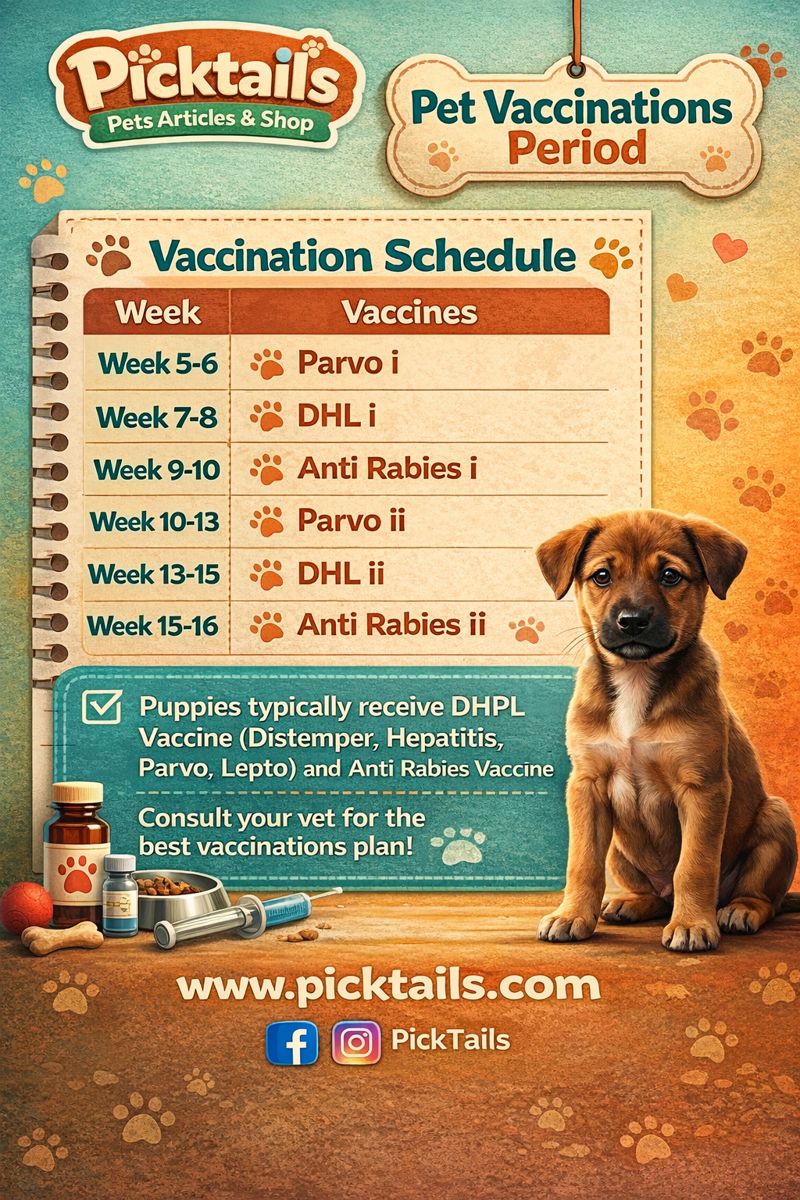
Puppies have weak immune systems. Without proper *puppy vaccines*, they can easily catch serious infections like *parvovirus*, *distemper*, *hepatitis*, *leptospirosis*, and *rabies*. Following a proper dog *vaccination chart* helps: Protect your puppy from life-threatening diseases Strengthen their immune system Prevent the spread of diseases to other pets Keep your family safe (especially from rabies) Early vaccination is the foundation of good puppy health care. *Complete Puppy Vaccination Schedule* Here is a general puppy *vaccination timeline* recommended by most veterinarians: *Week 5–6* *Parvo Vaccine (1st dose)* Protects against *canine parvovirus*, a highly contagious disease affecting the stomach and intestines. *Week 7–8* *DHPL Vaccine (1st dose)* The *DHPL vaccine for dogs* protects against: Distemper Hepatitis Parvovirus Leptospirosis This is a core vaccine in every *puppy vaccination program.* *Week 9–10* *Anti-Rabies Vaccine (1st dose)* The *rabies vaccine for puppies* is essential and legally required in many areas. *Week 10–13* *Parvo Vaccine (2nd dose / Booster)* Booster doses improve immunity and ensure long-term protection. *Week 13–15* *DHPL Vaccine (2nd dose / Booster)* Completes primary protection against major viral diseases. * Week 15–16* Anti-Rabies Vaccine (2nd dose / Booster) Provides strong protection against rabies. What Is DHPL Vaccine for Puppies? The DHPL vaccine is a combination vaccine that protects against four serious dog diseases: Distemper – A viral disease affecting the respiratory and nervous systems Hepatitis – A liver infection Parvovirus – Severe vomiting and diarrhea Leptospirosis – A bacterial infection that can spread to humans This vaccine is a key part of any dog immunization schedule. Important Puppy Vaccination Tips To ensure proper puppy health and vaccination care, remember: •Always follow your veterinarian’s advice • Do not skip booster shots • Avoid public parks before full vaccination • Keep your puppy vaccination record safe • Maintain proper nutrition and hygiene Every puppy is different. The exact dog vaccination schedule may vary depending on breed, health condition, and location. Always consult your vet for a personalized puppy vaccination plan. At Picktails Pets Articles & Website, we care about your pet’s health, safety, and happiness. For more puppy care tips, dog health advice, and pet products, stay connected with us. Healthy Puppy = Happy Home
Dog vs Cat: Who Has the Best Sniffing Skills?
36 days ago
Dog vs Cat: Who Has the Best Sniffing Skills?
If you have both a dog and a cat at home, you may have noticed something interesting. Your dog constantly sniffs everything during walks, while your cat quietly investigates new smells around the house. This raises a fun question for pet lovers: who actually has the better sniffing skills — dogs or cats? Let’s break it down in a simple way so every pet owner can understand. Dogs – The Ultimate Sniffing Experts Dogs are widely known for their powerful sense of smell. In fact, their noses are one of the strongest in the animal world. A dog’s nose has around 300 million scent receptors, while humans only have about 5 million. This means dogs can smell things 10,000 to 100,000 times better than humans. Because of this amazing ability, dogs are often trained to do important jobs such as: Finding missing people Detecting drugs and explosives Tracking animals in the wild Detecting certain diseases in humans When your dog spends time sniffing grass, trees, or the ground during a walk, it’s not just random behavior. Your dog is actually collecting information about the environment, other animals, and even people who passed by earlier. Cats – The Silent Scent Detectives Cats may not sniff as obviously as dogs, but their sense of smell is still very impressive. Cats have around 50–80 million scent receptors, which is still far stronger than a human’s nose. They use their sense of smell to understand their surroundings and stay safe. Cats rely on scent to: Recognize their owners Identify their territory Detect danger Find and evaluate food Cats also have a special feature called the Jacobson’s organ (vomeronasal organ). This organ helps them analyze scents more deeply. You may notice your cat making a funny open-mouth “smelling” face, which is called the Flehmen response. Dog vs Cat: Who Wins the Sniffing Battle? When comparing pure sniffing power, dogs are the clear winners. Their noses are specially designed for tracking and scent detection. However, cats still have excellent smelling abilities that help them hunt, explore, and communicate with other cats. In simple terms: Dogs -Best for powerful scent tracking Cats -Great at detecting and analyzing smells in their environment Both animals use their noses in unique ways to understand the world around them. Fun Fact for Pet Lovers Did you know that a dog’s nose print is unique, just like a human fingerprint? No two dogs have the same nose pattern! Discover More Pet Tips on Picktails At Picktails.com, Sri Lanka’s growing online platform for buying and selling pets, we share helpful guides, pet care tips, and interesting facts to help pet lovers make better decisions for their furry friends. Whether you love dogs, cats, birds, or other pets, Picktails is here to connect pet owners and provide useful information for the pet community.

"Picktails dreams of a world where pets and people connect effortlessly. We make adoption simple, joyful, and safe, so every furry friend finds a loving home and every owner gains a loyal companion, tail wags guaranteed."

Find us on